
How to Check Criminal History in Scurry County
No single office holds a complete Scurry County criminal record. Start with the event you need to verify. The District Clerk publishes felony setting lists, the County Clerk keeps Class A and B misdemeanor files, and the jail answers present or recent custody questions. Snyder Municipal Court and the justice courts keep their own fine-only matters. The Texas Department of Public Safety then supplies a separate statewide record drawn from reported arrest cycles and court outcomes. Searchers get better results when they bring a full legal name, spelling variants, a date of birth when it can lawfully be used, and a rough date range.
The official Scurry County homepage provides the starting directory for these offices.

Its department links help route a request before a caller or visitor asks for a search.
- Identify whether the question concerns an arrest, jail stay, filed charge, court outcome, warrant, or statewide history.
- Choose the office that created that record and supply a case, incident, booking, or warrant number if known.
- Use the posted district dockets for felony settings, then ask the clerk for the underlying document.
- Compare the local file with the DPS name search or a personal fingerprint review when statewide reporting matters.
- Order certified copies from the clerk when proof of a judgment or disposition is needed.
Scurry County Criminal Court Split
The courthouse at 1806 25th Street has two criminal-file counters with different jobs. Felony files begin with District Clerk Lana Warr in Suite 402. County-level misdemeanor records begin with County Clerk Melody Appleton in Suite 300. Both offices publish 325-573-9316 through the county directory, but a caller should state the charge level and ask for the correct clerk. The 132nd District Court is in Suite 404. Snyder Municipal Court and the two justice courts sit at other central Snyder addresses, so a fine-only citation may never appear in either courthouse clerk's criminal collection.
The Scurry County office directory shows how the courts, prosecutors, jail, and probation offices are divided.
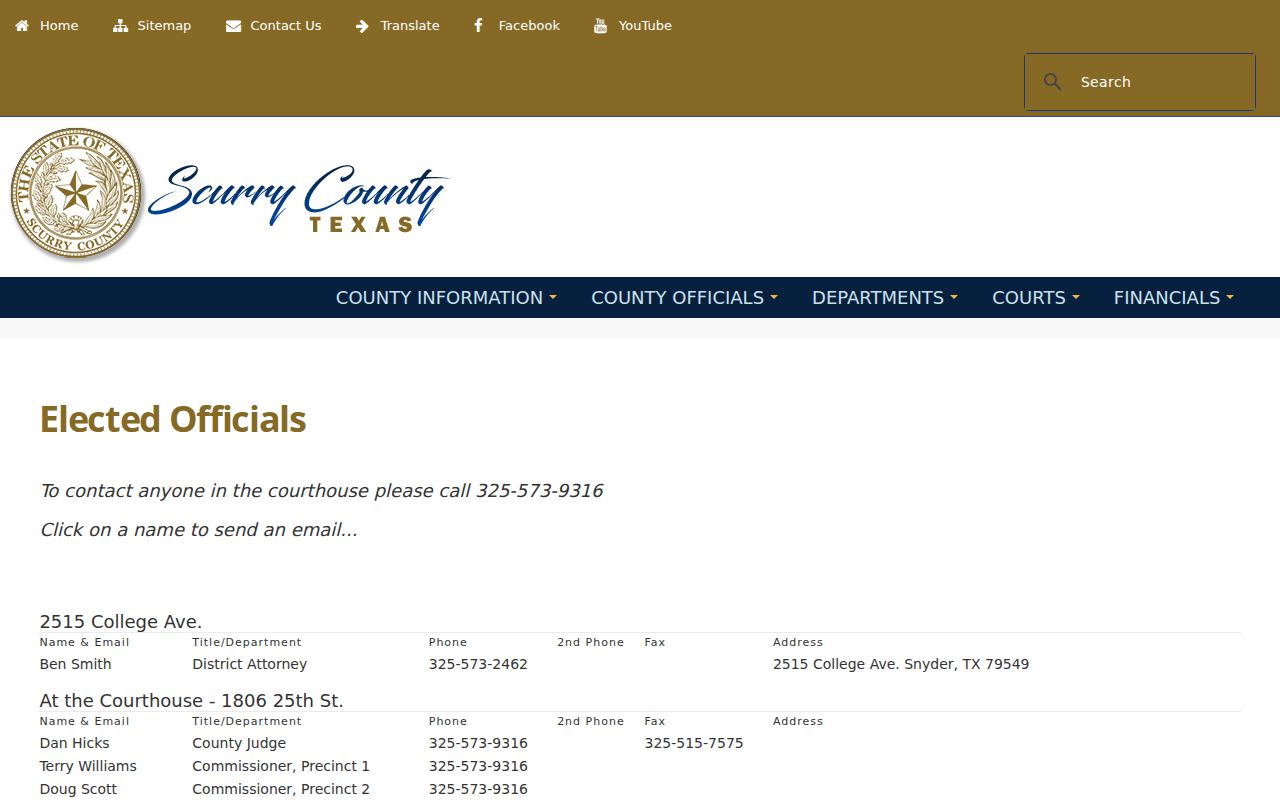
This office-by-office layout is useful because the closest building is not always the legal custodian.
District Clerk
1806 25th Street, Suite 402
325-573-9316
Felony case files and posted district dockets
County Clerk
1806 25th Street, Suite 300
325-573-9316
Class A and B misdemeanor files
Sheriff and Jail
400 37th Street
325-573-3551
Agency reports, warrants, booking and custody records
Official Texas Background Checks
The Texas Department of Public Safety Crime Records Division maintains the Computerized Criminal History system. Its Texas Criminal History Name Search sells public searches of conviction and deferred-adjudication information reported to DPS. It does not certify that a person has no history. A spelling issue, common name, unreported disposition, sealed matter, federal case, or record from another state can produce a gap. Each submitted online search uses one $1 credit, including a no-hit search. Card purchases add 2.25 percent per credit and a $0.25 transaction fee.
The official portal image below shows the state access point used for a Scurry County criminal history comparison.
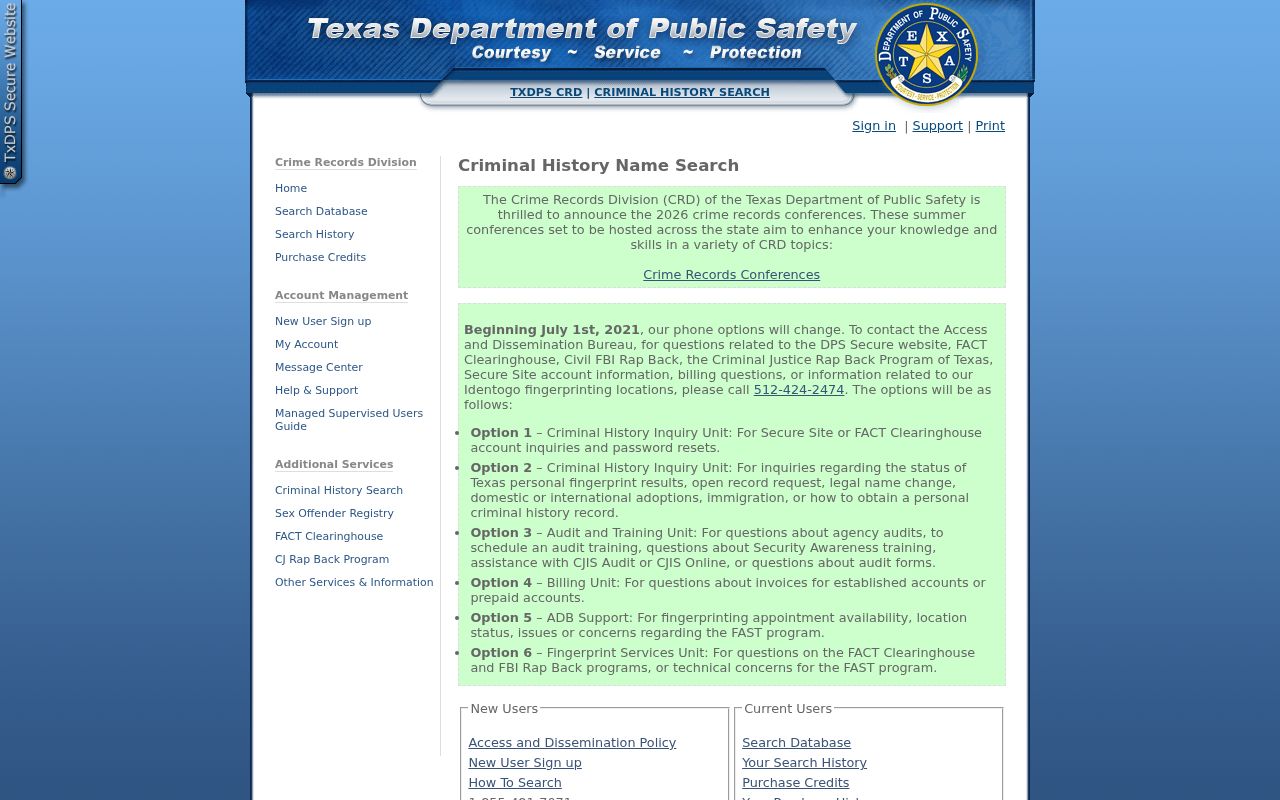
Save the response, then verify a possible match against the local clerk's judgment or other originating record.
| Official product | Published cost | Best use |
|---|---|---|
| DPS public name search | $1 per credit, plus stated card fees | Reported public Texas conviction and deferred records |
| DPS fingerprint review | $15 plus $10 FAST fee | Reviewing one's own Texas repository record |
| FAST hard cards | $20 for two cards | Fingerprint capture when hard cards are required |
Scurry County Name Match Limits
A name search and a fingerprint review answer different identity questions. DPS asks public users for a full first and last name. Middle or maiden name and birth information can narrow the search. The system also tries similar-sounding combinations, which helps with spelling but can return a different person. A credit is consumed even when no match appears. DPS states that fingerprints are the only reliable way to connect a person to a criminal-history record.
| Field | Required | Search note |
|---|---|---|
| Last name | Yes | Use the full legal surname, not a partial name. |
| First name | Yes | Use the full given name rather than an initial. |
| Middle or maiden name | No | Can help separate similar Scurry County records. |
| Date of birth | No | Complete or partial components can narrow results. |
For one's own full Texas review, schedule Fingerprint Applicant Services of Texas through IdentoGO with the correct service code. No current official enrollment address inside Scurry County was confirmed, so the appointment system should resolve the available site.
Types of Criminal Records
Scurry County criminal records are created in stages. A Snyder police or sheriff report describes an event and allegations. The jail records intake, custody, charge, and bond snapshots. A prosecutor may later change or decline the arrest charge. Once filed, the court case records the charging instrument, hearings, motions, plea, disposition, judgment, and sentence. DPS builds a separate repository cycle from fingerprint and disposition reports. These documents can disagree for a valid reason, especially while a case is new.
- Arrest and booking records: agency and jail records of arrest authority, intake, custody, and release.
- Criminal court files: the filed charge, docket events, court orders, outcome, and sentence.
- DPS history: reported Texas arrest cycles linked to reported prosecution and disposition events.
- Warrant records: court-issued process tracked by law enforcement, with some active material restricted.
- Supervision and registry records: probation, parole, and sex-offender data held by different agencies.
Scurry County probation is local through Adult Probation at 2511 College Avenue, while parole decisions and supervision belong to state agencies. That split is another reason to search by record type.
Scurry County Criminal Docket PDFs
Scurry County does not offer a conventional name-query case database, but the District Clerk's page posts dated PDFs for arraignments, pretrials, motions to revoke, motions to adjudicate, and other settings. That is a useful local access channel. A row can show the cause number, defendant column, abbreviated offense, attorney, and bond notation. It is still a calendar, not proof of the outcome. The PDF does not replace an indictment, order, judgment, sentence, or certified disposition from the clerk's file.
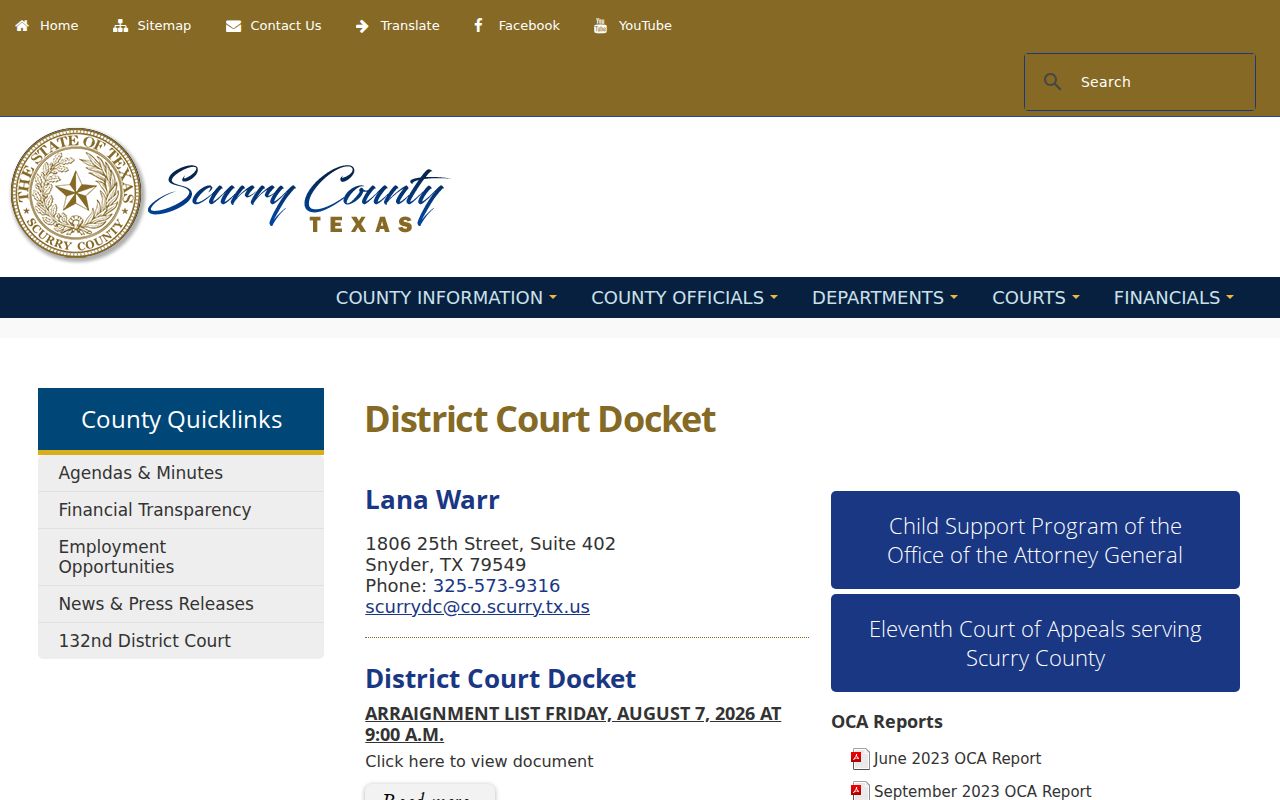
The posted setting lists can identify a case stage and cause number before a requester asks for the exact filed document.
re:SearchTX provides a second, statewide trial-court channel, although court coverage, available documents, user access, and fees can vary.
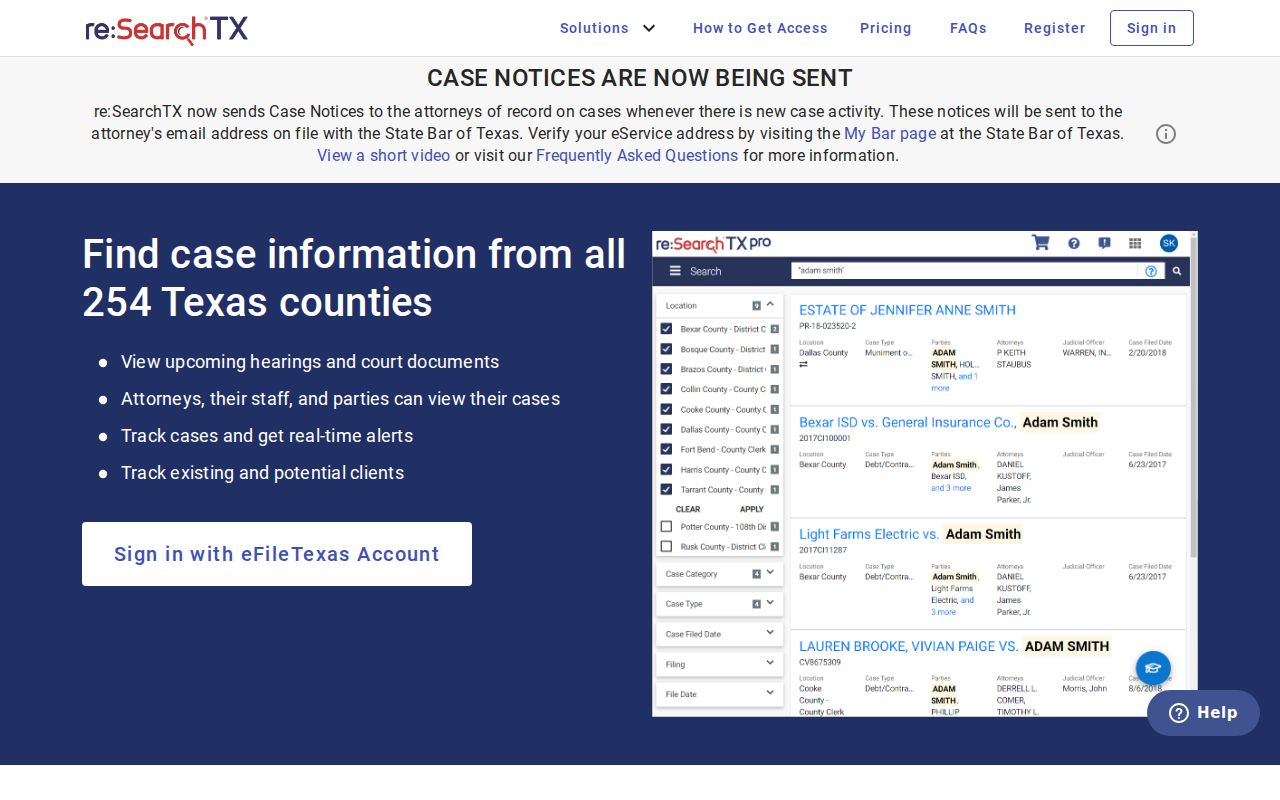
The platform can supplement a Scurry County criminal case search, but it does not guarantee a complete local file. When a document is absent, use the District Clerk's counter, phone, or email process and ask for the indictment, judgment, sentence, or other item by name. The separate Texas appellate Case Search covers appeals rather than the trial-court record.
- Arraignment
- The hearing where the charge is presented and a plea is taken.
- Disposition
- The recorded outcome, such as conviction, dismissal, acquittal, or deferred adjudication.
- Motion to revoke
- A request concerning an alleged violation of supervision after conviction.
- Motion to adjudicate
- A request to proceed to a guilt finding after deferred adjudication.
What a Scurry County Criminal Record Shows
The fields depend on the source. A Texas repository record may include a legal name, aliases, birth data, a state or FBI identifier, arrest tracking information, submitted offenses, prosecutor action, cause number, court outcome, sentence, and supervision or custody events. A Scurry County case file can add the complaint or indictment, hearing history, motions, plea, judgment, financial ledger, bond, capias, and appeal notice. Protected identifiers, juvenile material, and victim information may be removed from a public copy.
| Name and identifiers | Legal name, aliases, birth data, and agency identifiers where public. |
|---|---|
| Arrest and booking | Date, agency, tracking or booking number, charge snapshot, bond, and release status. |
| Charges and statutes | Alleged offense at arrest and the later complaint, information, or indictment. |
| Disposition | Conviction, acquittal, dismissal, no-bill, or deferred adjudication when reported. |
| Sentence | Confinement, fine, costs, restitution, or community supervision ordered by the court. |
| Custody or supervision | County jail, TDCJ, probation, or parole events held by the responsible office. |
Note: A posted docket setting shows scheduled court activity, not a final Scurry County criminal case result.
Scurry County Custody Record Routes
The correct locator changes with custody. Scurry County Jail holds local detainees and people awaiting court action. No official public web roster was found. Call the jail at 325-573-3581, or use the Snyder inmate page's stated assistance number, 325-573-0113. Ask for non-sensitive booking status, charges, bond, court, and release information. A person later transferred to state prison moves into the Texas Department of Criminal Justice system.
The TDCJ Online Inmate Search covers state prisoners rather than the Scurry County jail.
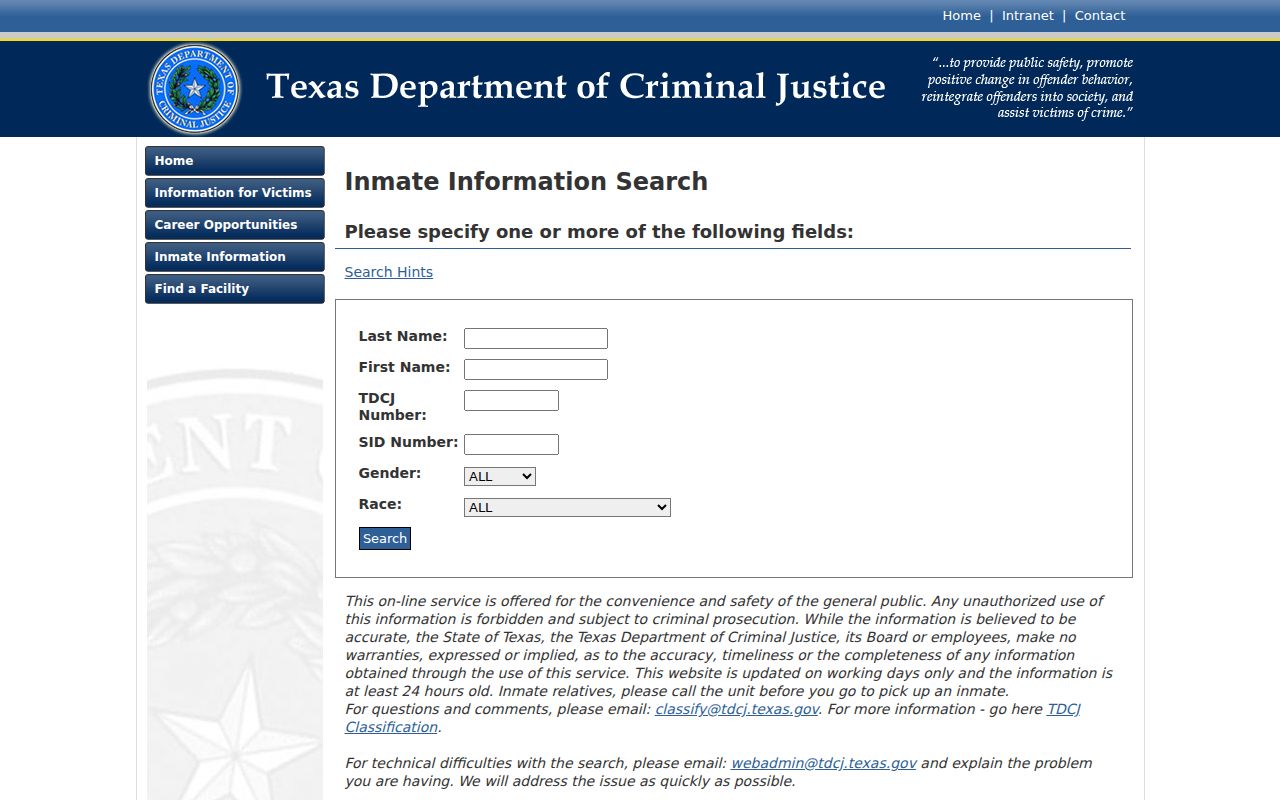
Its name, TDCJ number, SID number, gender, and race fields help narrow a sentenced-prisoner search.
VINELink can supplement official custody checks with status and notification functions where data are available.
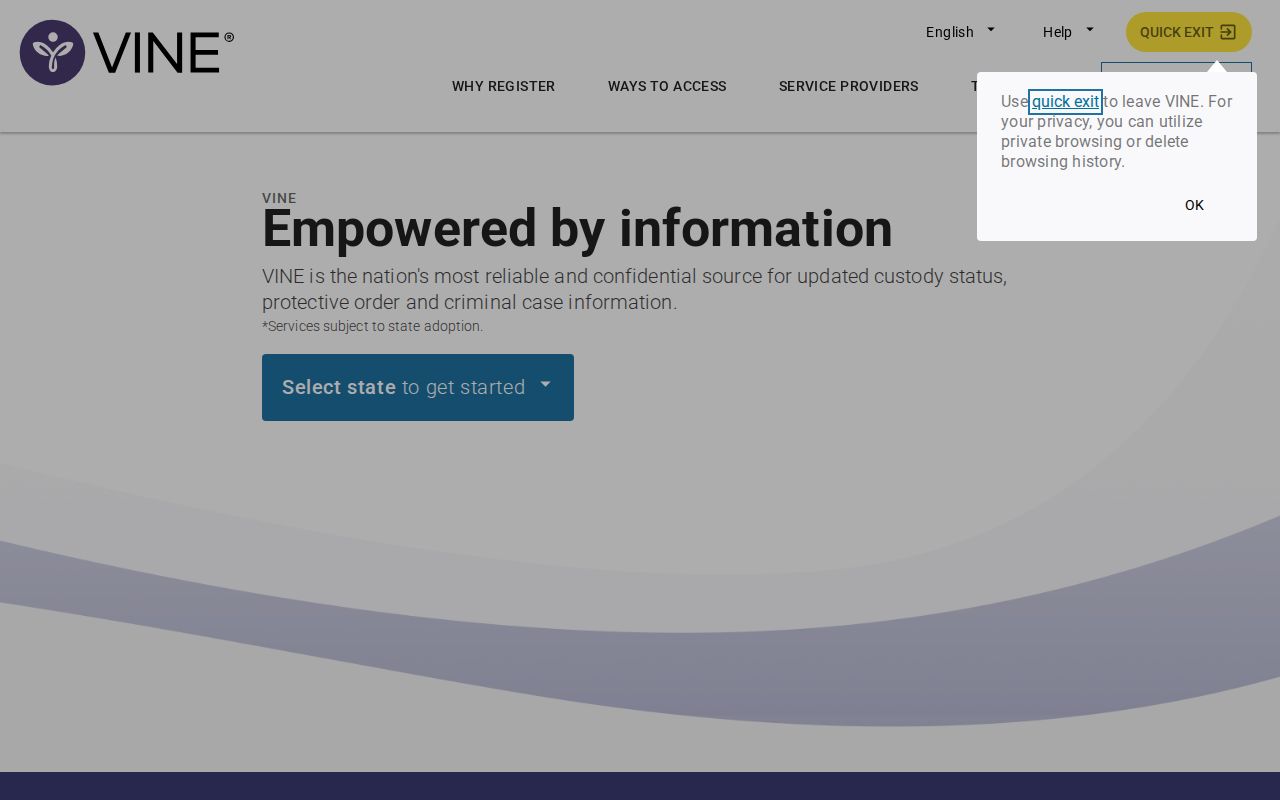
It is a notification layer, not a certified booking sheet or court disposition.
Public Access Laws
The Texas Public Information Act gives the public a route to inspect or copy government records, but the request belongs with the office that holds them. A Snyder Police report goes through the city's request process. A sheriff report or jail document goes to the county custodian. Filed felony documents go to the District Clerk. Judicial records also operate under court-access rules that are not identical to the executive-agency process. A clear request should name the agency, record type, incident or cause number, date range, and desired format.
Key Texas laws:
Government Code Chapter 552 creates the public-information request process and permits lawful exceptions.
Government Code Chapter 411 controls criminal-history dissemination and nondisclosure.
Code of Criminal Procedure Chapter 55A governs expunction of qualifying records.
Code of Criminal Procedure Chapter 62 governs sex-offender registration and public registry data.
Scurry County Police Record Custody
Snyder Police and the Scurry County Sheriff's Office share 400 37th Street, but their records do not merge. If Snyder officers created the incident or arrest report, use the City Secretary's online form, email, fax, mail, or in-person channel. If sheriff personnel created it, send a focused written request to the county. Jail booking records stay with the sheriff and jail even when Snyder Police made the arrest. Court documents belong to the correct clerk after a charge is filed.
The Scurry County Clerk page identifies the county misdemeanor file office.
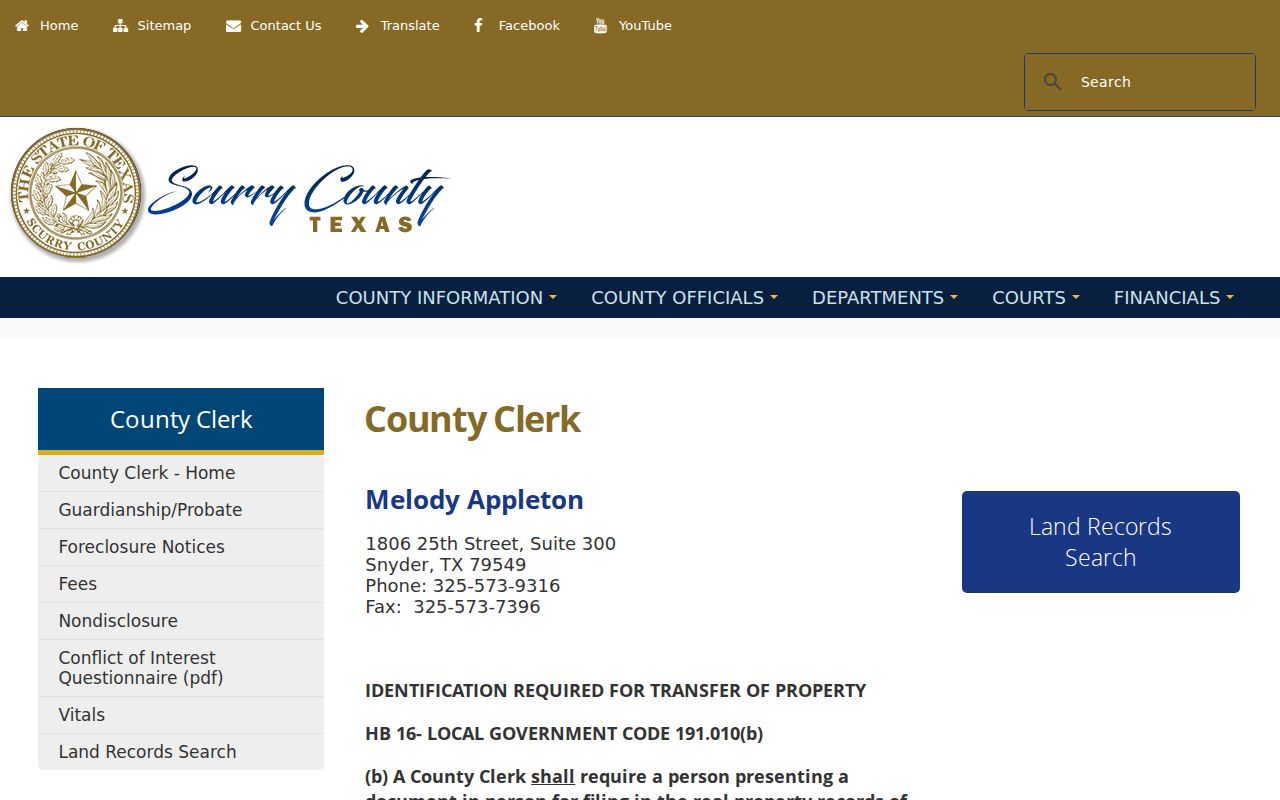
This distinction prevents a public-information request from being sent to an office that never created the record.
For warrants, no official public Scurry County active-warrant search was found. Call the sheriff and the issuing court, then confirm any resolution with that court. A DPS history search is not a live warrant check.
Sealed, Expunged & Restricted
Texas restricts juvenile law-enforcement information, protected victim details, personal identifiers, grand-jury material, and records covered by a court order. Expunction and nondisclosure have different effects. An expunction under Chapter 55A generally directs covered agencies to destroy, delete, or return qualifying records. An order of nondisclosure under Government Code Chapter 411 limits ordinary public release but preserves access for listed government and criminal-justice entities.
A dismissal alone does not remove a Scurry County arrest cycle. Eligibility depends on the charge, result, date, history, and statutory waiting rules. Start by obtaining a fingerprint-based personal DPS record and a certified local disposition. The Scurry County District Clerk accepts local filings, but the research did not locate a current filing fee. Call 325-573-9316 for the civil fee schedule. The Texas State Law Library provides official self-help material.
Scurry County Expunction Record Trail
Scurry County offers a useful local detail that a general Texas checklist cannot supply. The District Clerk publishes an expunction email list naming agencies that may hold parts of the same record. It includes Snyder Police, the Sheriff's Office, County Clerk, District Attorney, County Attorney, Adult Probation, Snyder Municipal Court, and a justice court. The list is an aid for notice and service. It is not the petition, does not decide eligibility, and may not include every agency for a particular arrest.
A sound filing sequence begins with the precise arrest date, arresting agency, tracking number, cause number, charge, and disposition. Compare those facts with current law, list every custodian, file in the proper court, and keep certified copies of the signed order. After agencies have time to process it, check the local sources and obtain a later DPS personal review. If an item remains, send the custodian the certified order and identify the exact disputed cycle.
Criminal Records by City in Scurry County
Snyder is Scurry County's only incorporated municipality. Its estimated 2025 population was 11,166, about two-thirds of the county total, and it contains the municipal police, municipal court, county courthouse, jail, and most related offices. City-created police reports route through Snyder's City Secretary even though the police and sheriff share a building. The Snyder criminal history page keeps that city process separate from countywide court and DPS searches. Hermleigh and Fluvanna are not incorporated cities, so the city list is not padded with places that lack a city police department or municipal court.
Snyder Criminal History
11,166 estimated residents · Snyder Police records and Municipal Court channels
Scurry County Registry Record Search
The Texas Public Sex Offender Registry provides the official public search by name and geography. Scurry County searches can use county, Snyder, ZIP, address, and radius controls shown by the live portal. The local registering authority depends on the address: Snyder residents report to Snyder Police, while residents outside city limits report to the sheriff. Public profiles omit Social Security numbers, driver's-license numbers, phone numbers, victim identities, and other protected information.
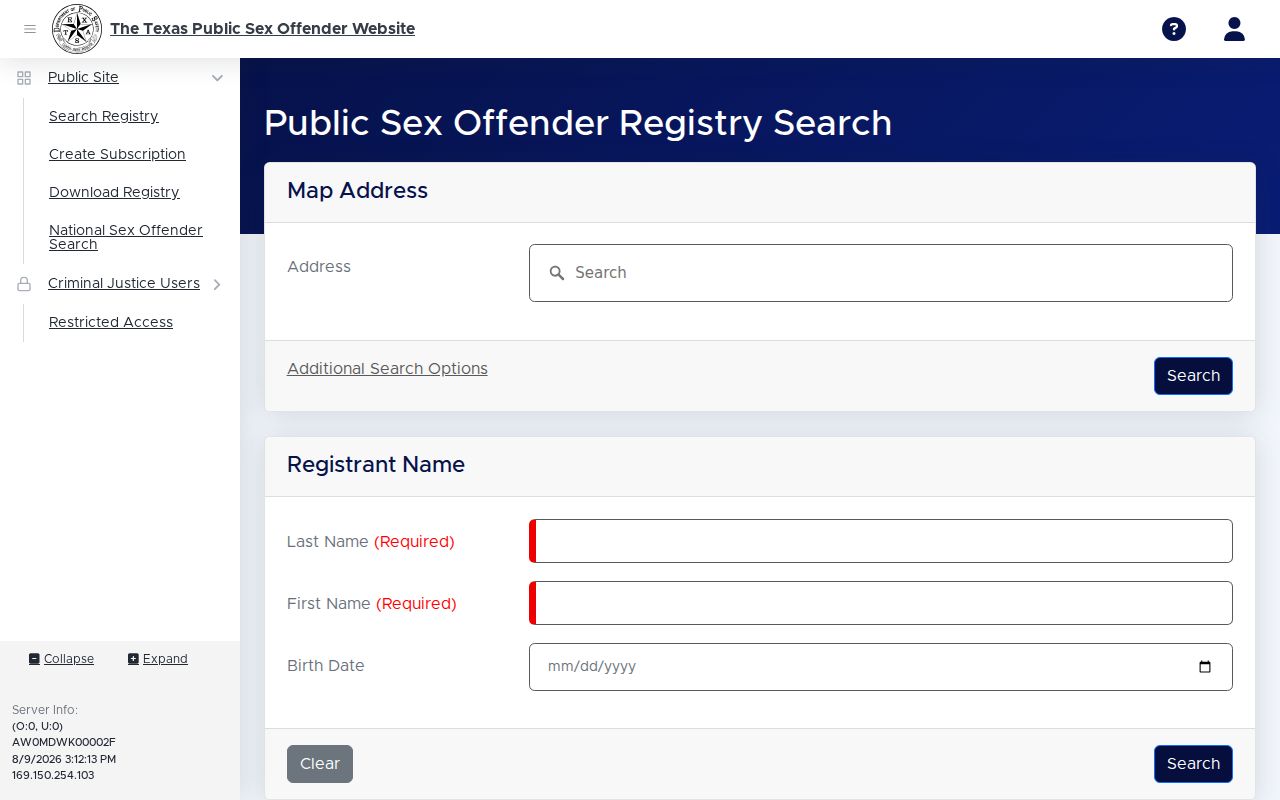
The registry supports public safety and community awareness, but a profile is not a current dangerousness score. Suspected noncompliance should be reported to the appropriate local authority without confrontation.